Edible Plant Hike
Hike leader Kate’s first words to the group were “Do not try this at home.” There are three reasons why it is very important to be able to positively identify edible plants:
- Only certain parts of a plant may be edible
- Some plants are edible only at a specific time of the year
- Some plants look very similar to plants that are poisonous
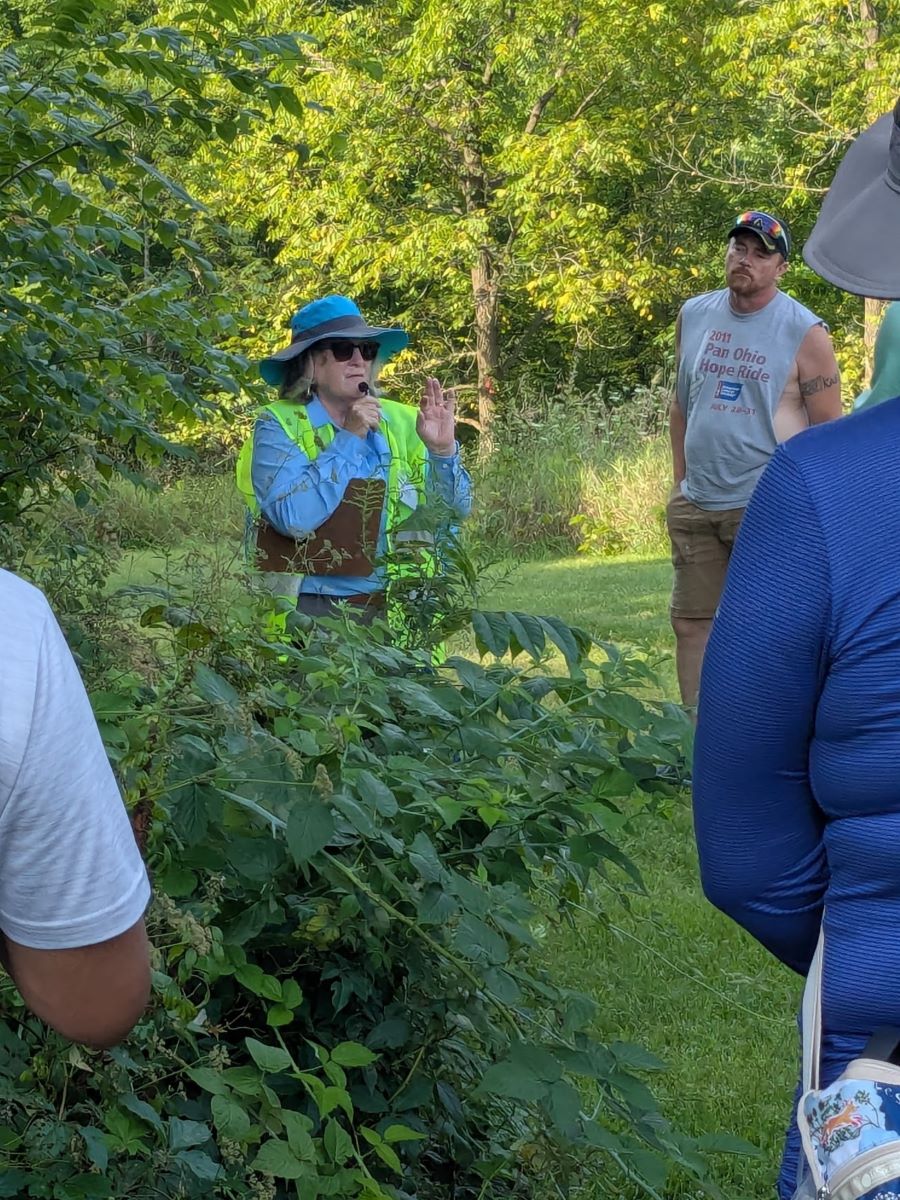
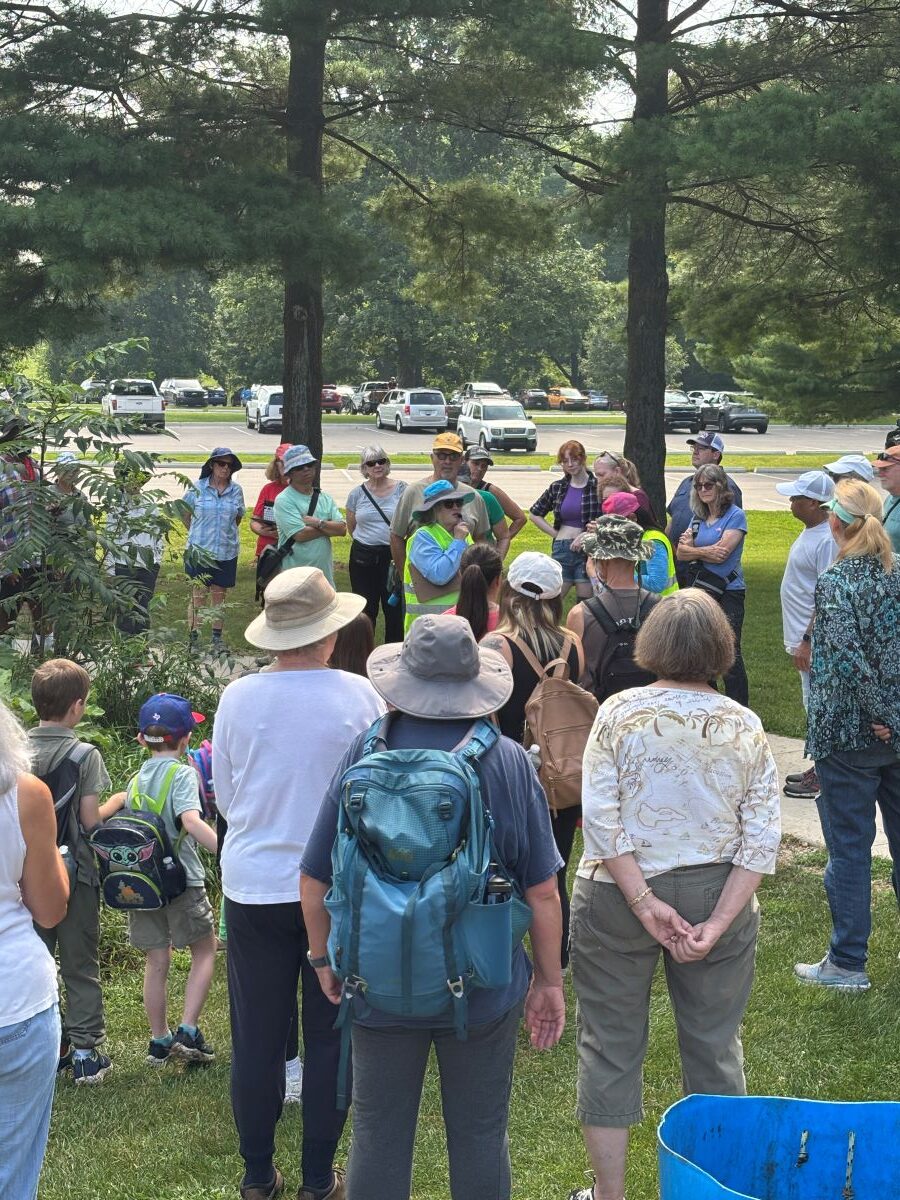
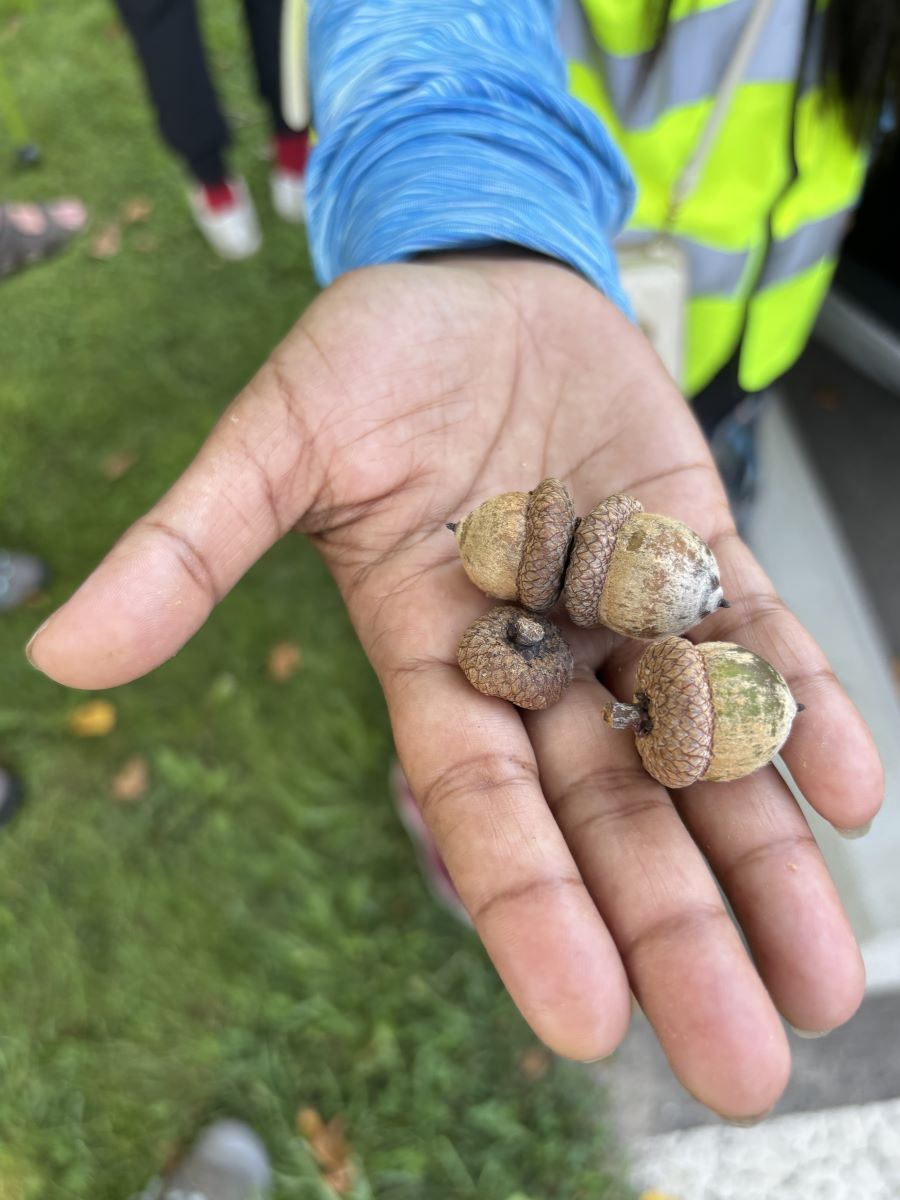
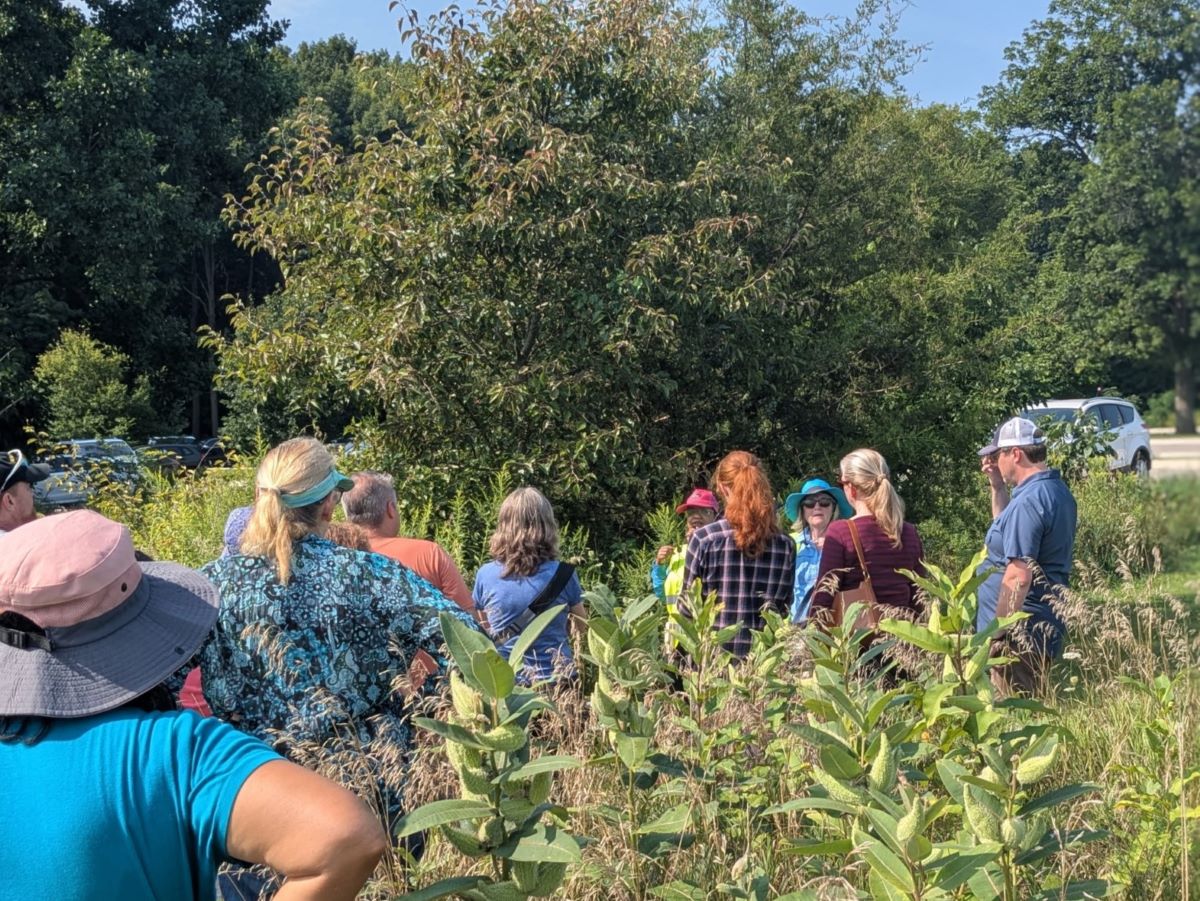
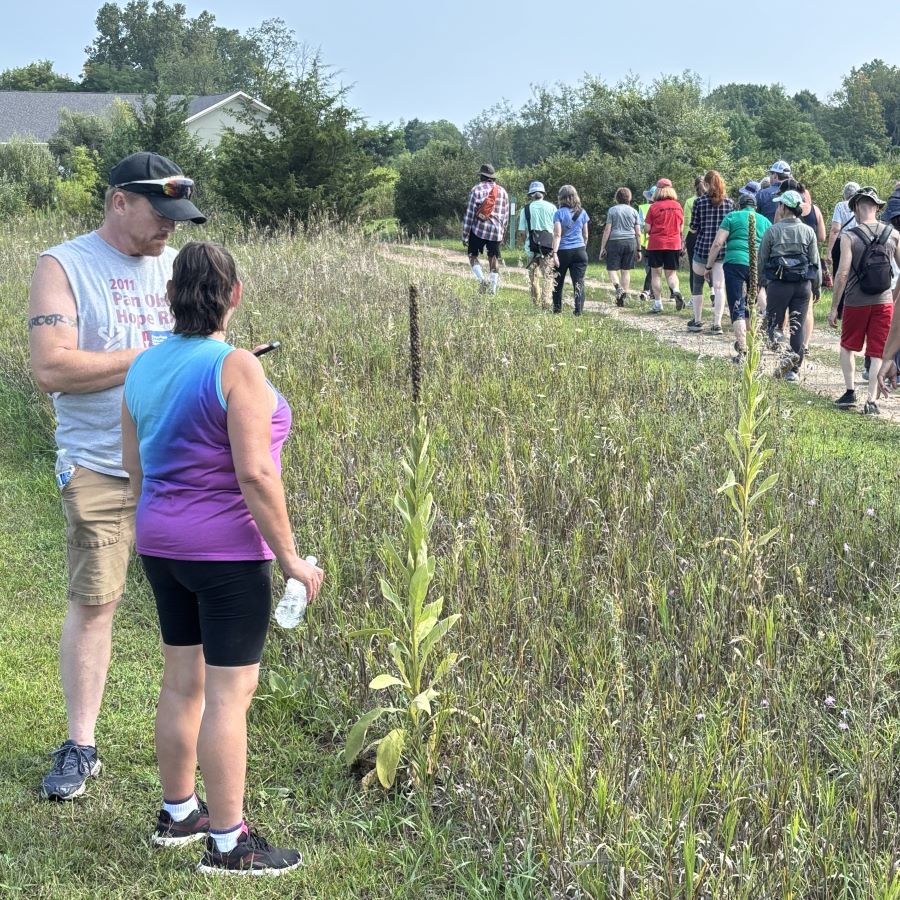
About 50 people came out to learn about edible plants at Maybury State Park. Featured are photos of a few of the edible plants Kate pointed out and discussed.
Queen Anne’s Lace is an example of a plant that is edible. The root looks and smells very much like a carrot, as it is part of the carrot family. It can be mistaken for poison hemlock so it is very important to be able to distinguish one from the other.
Not only are some wild plants edible, many have medicinal properties.
Plantain is generally considered a weed and can be found growing in gardens and lawns. Its leaves and seeds are edible and it is rich in vitamins and minerals. The leaves can be applied to the skin to help heal insect bites.
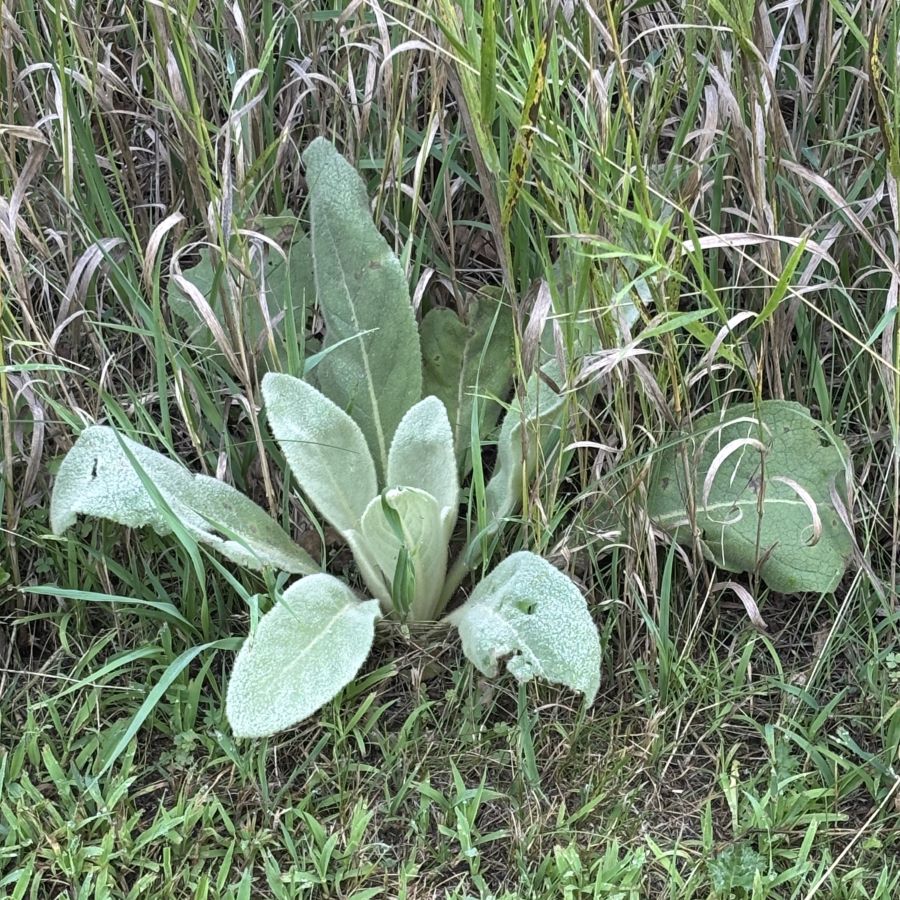
Common Mullein is a biennial and can be used to make tea. Its soft leaves have earned it the name of “nature’s toilet paper.” Mullein was used by Native Americans to treat coughs and help heal respiratory issues.
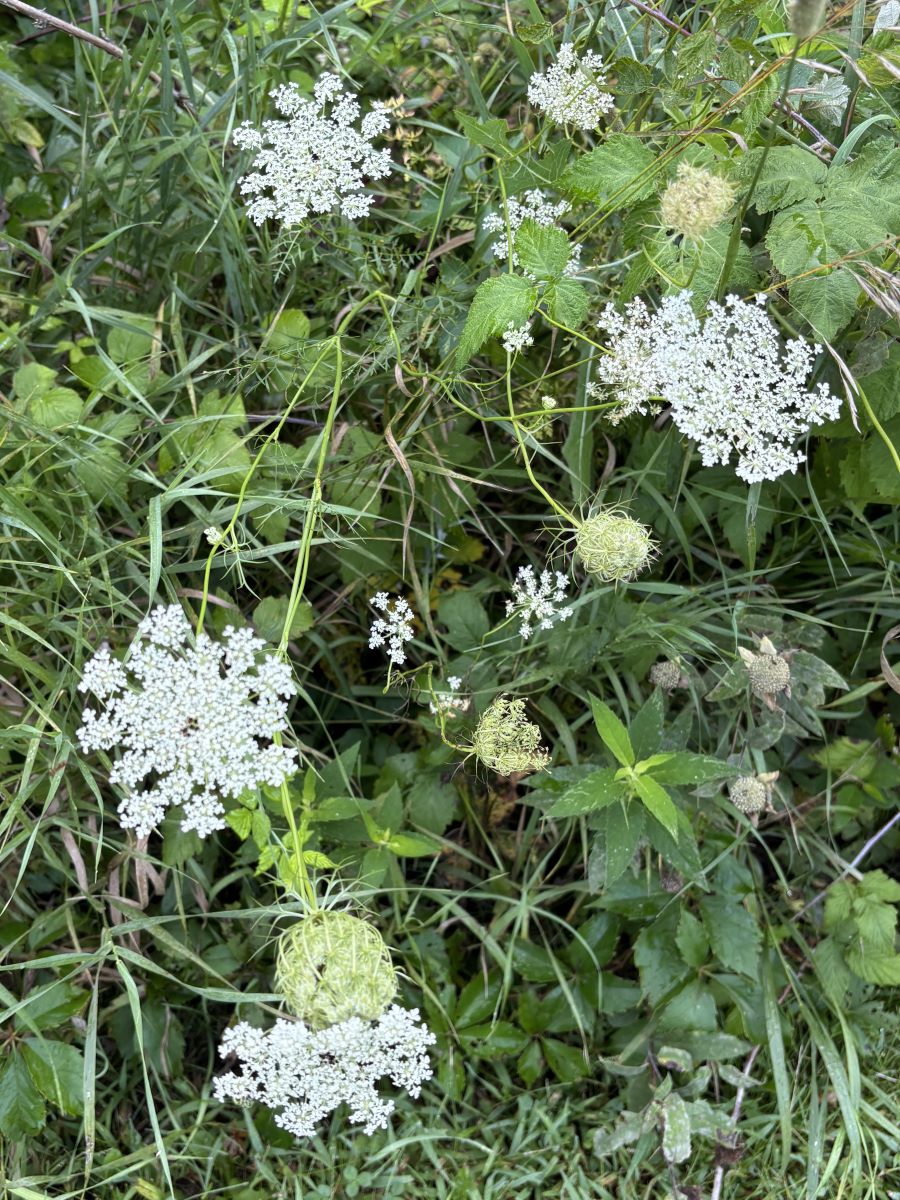
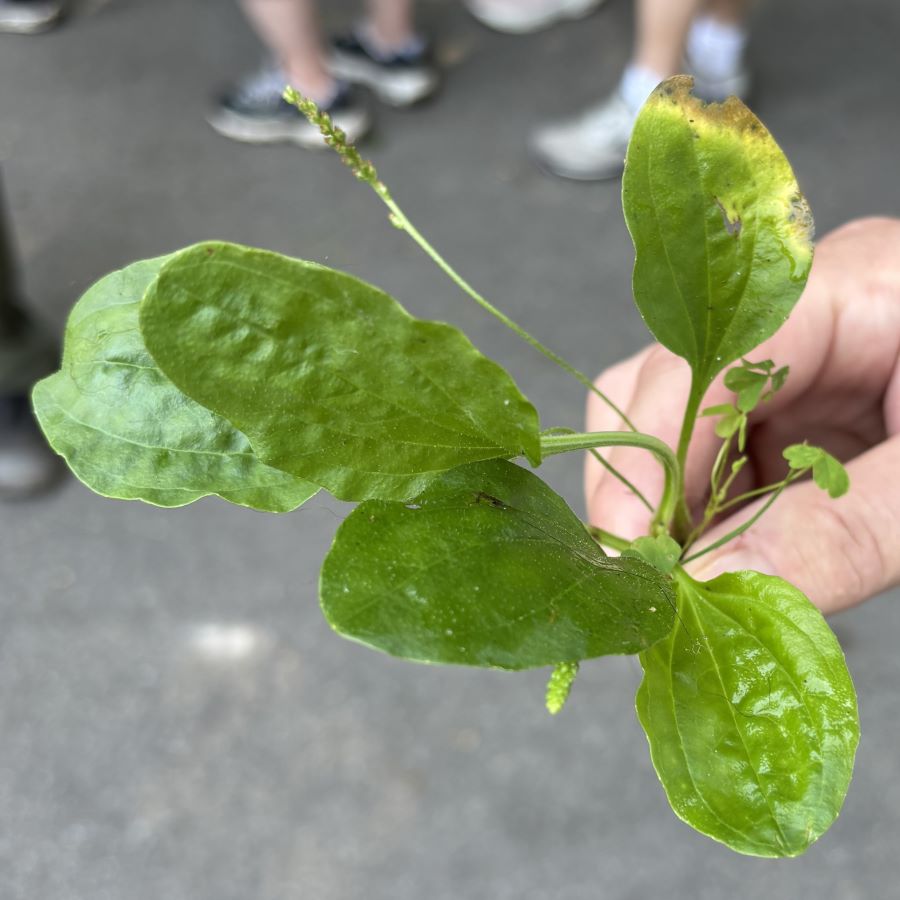
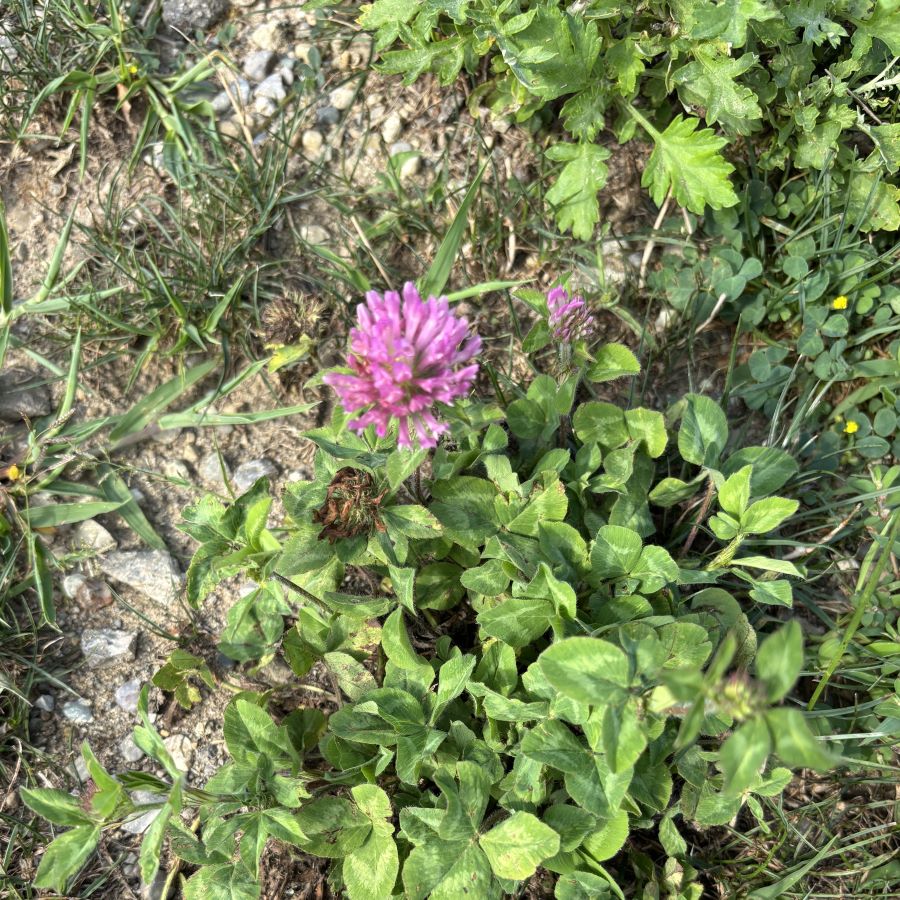
The fresh leaves of Red or White Clover can be used as salad greens or to make tea, and the seeds are edible as well.
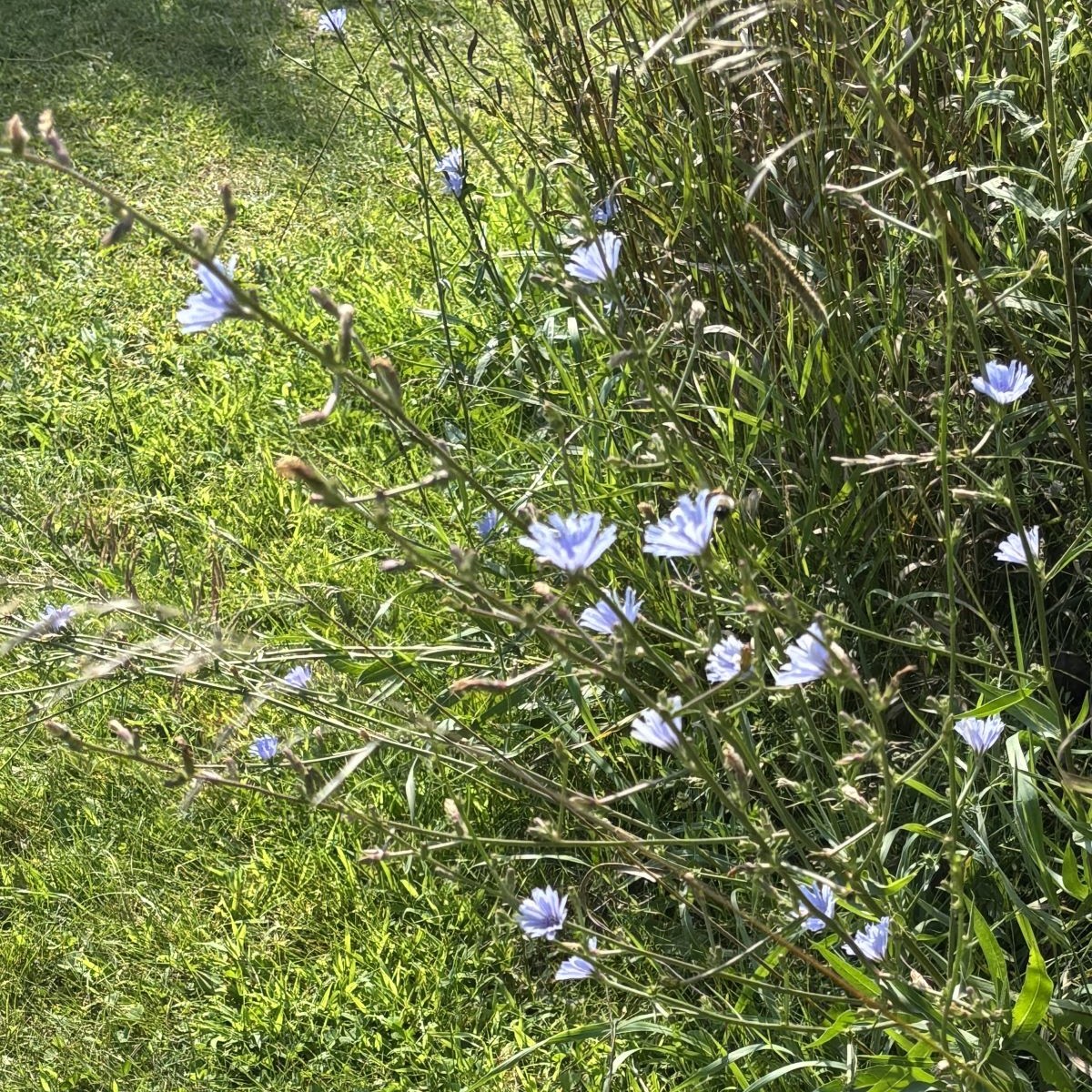
Chicory leaves and shoots are edible and the roots have been used to make a coffee-like drink. Volunteer Rachna shared that in India, Chicory root is blended with coffee to add a rich flavor and, since it is caffeine-free, it is added to create decaffeinated versions.
Thanks to all of the people who attended, to Kate for leading and sharing her years of knowledge, and to rest of The Friends of Maybury State Park volunteers for supporting this event.